
Recovery
Cold Plunge in Bali: Benefits, Risks, and How to Do It Safely
Published 30 Jun 2026, 09:00 Bali time
Cold plunge therapy is growing fast in Bali's wellness scene. Here is a clear breakdown of the benefits, the risks, how to start safely, and where to find cold plunge facilities in Bali.
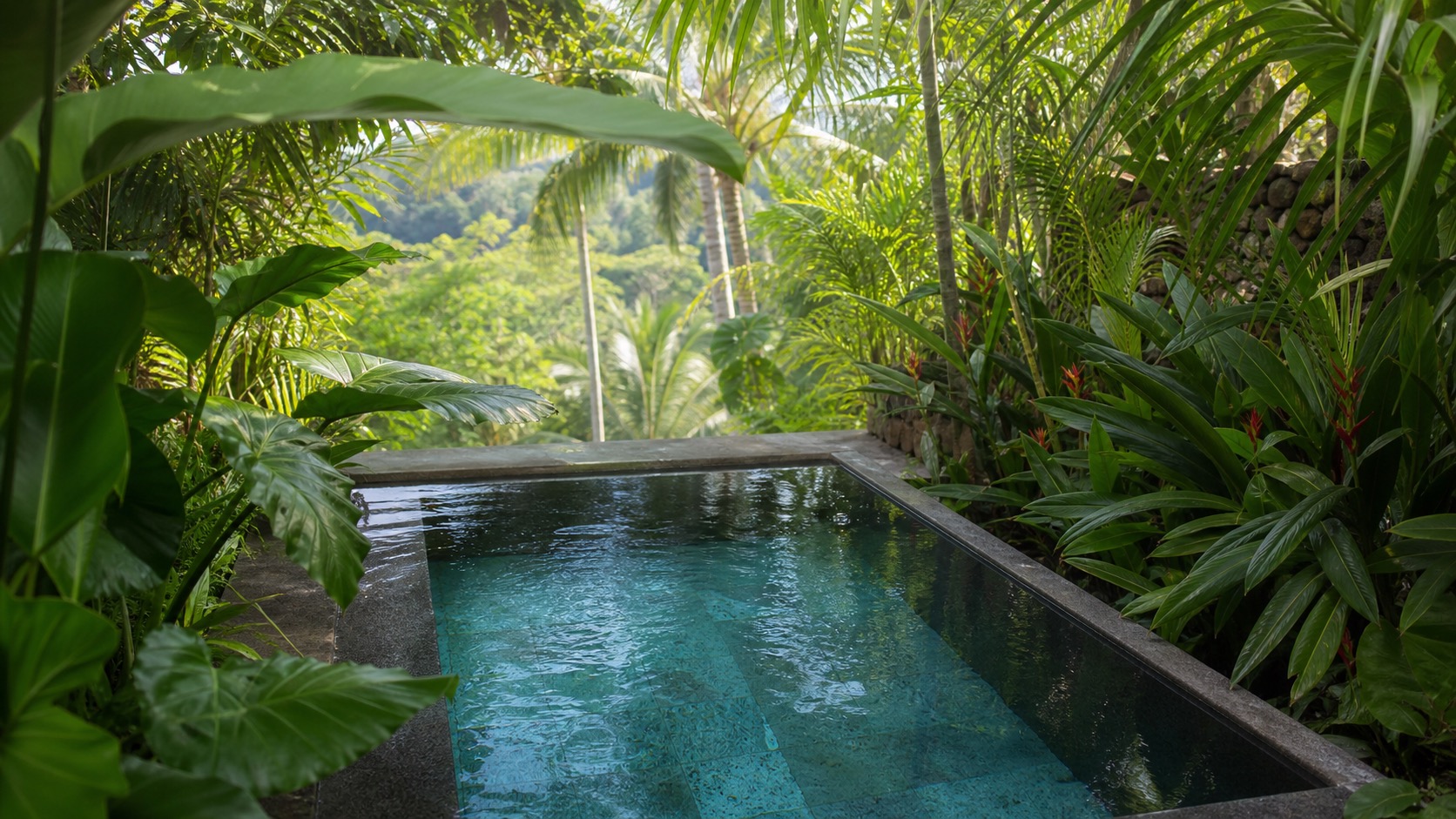
Cold plunge therapy is having a significant moment globally, and Bali is no exception. What started as a practice associated with elite athletes and extreme biohackers has become mainstream enough that cold plunge pools are now standard equipment at premium wellness facilities across Canggu, Uluwatu, and Ubud.
The science behind cold immersion is genuinely interesting and reasonably well-established. The risks are real but manageable for healthy individuals with the right approach. And the experience of a proper cold plunge in a well-run Bali wellness facility, surrounded by tropical gardens on a sunny morning, is one of the better sensations available on the island.
Here is everything you need to know.
What Happens to Your Body in a Cold Plunge
Cold water immersion triggers a cascade of physiological responses that are well-documented and, for most people, beneficial.
The Cold Shock Response
The first response to sudden cold immersion is the cold shock response: gasping, increased breathing rate, elevated heart rate, and vasoconstriction. This response peaks in the first 30 to 60 seconds and diminishes as the body adapts. It is the most dangerous phase for vulnerable individuals.
With practice, the cold shock response becomes less intense — this is one of the adaptations that regular cold plunge practitioners develop over time.
Norepinephrine Release
One of the most consistent and profound effects of cold immersion is a dramatic surge in norepinephrine — a neurotransmitter and hormone that supports focus, alertness, mood, and energy regulation. Studies measuring plasma norepinephrine during cold water immersion at 14°C have documented increases of 200 to 300 percent that persist for several hours after the session.
This is considered the primary mechanism behind the mood and energy benefits many cold plunge users report. The effect size is meaningful and comparable to some pharmacological interventions for low mood.
Dopamine
Prolonged cold immersion also increases dopamine levels, which contribute to motivation, drive, and sustained positive mood. The combination of norepinephrine and dopamine elevation makes a morning cold plunge a genuinely impactful neurochemical experience.
Anti-Inflammatory Effects
Cold causes vasoconstriction, which reduces blood flow to peripheral tissues. This can dampen inflammatory signalling in areas with acute tissue damage, which is why athletes have used cold water immersion for post-exercise recovery for decades.
The relationship between cold immersion and inflammation is nuanced — some inflammatory signalling is necessary for adaptation, and cold immediately after strength training may partially blunt hypertrophic response. Timing matters.
Metabolic Activation
Sustained cold exposure activates brown adipose tissue (brown fat), which generates heat through thermogenesis. Regular cold exposure increases brown fat density over time. This has implications for metabolic rate, insulin sensitivity, and cold tolerance.
Cold Plunge in Bali: The Practical Context
Bali is a hot tropical island. You will generally arrive at a cold plunge having been warm, which changes the experience relative to using one in a cold climate. The ambient heat means the temperature contrast is more extreme.
This also means sweating during the sauna is more intense if you combine them. Hydration before, during, and after any thermal recovery session in Bali is more critical than in temperate climates.
Who Should Be Cautious
Cold immersion is not appropriate for everyone. The following groups should consult a doctor before using cold plunge:
- People with cardiovascular conditions including arrhythmia, heart failure, or uncontrolled hypertension
- People with Raynaud's disease or conditions causing poor peripheral circulation
- Pregnant women
- People with open wounds or skin conditions that contraindicate cold water
- People taking medications that affect cardiovascular or temperature regulation
For healthy individuals, cold plunge at appropriate temperatures and durations is well-tolerated.
How to Start Safely
Start with shorter exposures and warmer temperatures. A first session at 12 to 15°C for two minutes is sufficient to experience the physiological response. Do not try to replicate what more experienced practitioners do on day one.
Control your breathing. The impulse to gasp and hyperventilate during cold shock is strong. Slow, deliberate breathing — longer exhales than inhales — activates the parasympathetic nervous system and helps you stay calm through the initial shock response.
Never do it alone if you are new. The cardiovascular response during cold immersion is significant. Having someone present for your first several sessions is sensible.
Get out if something feels wrong. Dizziness, chest tightness, or unusual symptoms during immersion are exit signals. The goal is controlled physiological stress, not pushing through danger.
Warm up passively after. Let your body rewarm naturally rather than using very hot water immediately after cold. Passive rewarming allows the beneficial adaptation signals — norepinephrine, brown fat activation — to complete their cycle.
Where to Find Cold Plunge Facilities in Bali
Cold plunge facilities are available at several premium wellness and fitness venues in Bali. Reload Sanctuary in Canggu has developed comprehensive recovery infrastructure. Bambu Fitness in the Uluwatu and Bingin area has a similar reputation for quality facilities. Nirvana Life in Canggu, Omni Wellness Club in Munggu, and GDas Bali in Ubud round out the premium wellness landscape.
Villa complexes across Bali's luxury segments — particularly in Canggu, Seminyak, and Uluwatu — increasingly include outdoor cold plunge pools as standard.
The offering is growing: facilities are responding to strong demand from Bali's health-conscious community and expanding their thermal recovery options.
FAQ
What temperature should a cold plunge be?
Most cold plunge pools operate at 10 to 15°C. At this range, the cold shock response is triggered and significant norepinephrine release occurs. Below 10°C is more intense and not necessary for most benefits. Temperatures above 20°C are cool but do not produce the same physiological response.
How long should a cold plunge session be?
For most people, two to five minutes per immersion is sufficient for the primary physiological benefits. Longer sessions do not proportionally increase benefit and increase hypothermia risk. Two to three rounds with warming between is a common protocol.
Can I do a cold plunge every day in Bali?
Yes, many regular practitioners do. Daily cold plunge is well-tolerated for healthy individuals. Ensure adequate hydration given Bali's tropical heat and be aware that if you are also doing intense training, timing relative to strength sessions matters.
Does cold plunge help with the heat in Bali?
Interestingly, regular cold exposure increases cold tolerance and can also improve heat tolerance through improved autonomic nervous system regulation. Many Bali residents who use cold plunge regularly report feeling more comfortable in the ambient tropical heat.
Is there a best time of day for a cold plunge in Bali?
Morning cold plunge is popular because the norepinephrine and dopamine surge sets a positive, energised tone for the day. Evening cold plunge may interfere with sleep onset for some people. Most practitioners prefer morning use, but the best time is the one you will actually do consistently.
Go Deeper on Recovery in Bali
If you are building out a comprehensive recovery and wellness approach in Bali — combining cold therapy with supplements, peptide protocols, nutrition, and sleep optimisation — explore our blog for more guides or visit our shop for quality-verified products.
For personalised guidance on recovery and performance support, book a consultation.
Disclaimer: This article is for educational and informational purposes only. It does not constitute medical advice, diagnosis, or treatment. Individuals with cardiovascular conditions or other health concerns should consult a qualified healthcare professional before using cold plunge or any form of cold water immersion therapy.