
Hydration
Electrolytes in Bali: The Hydration Guide for Athletes and Expats
Published 19 Jun 2026, 09:00 Bali time
Staying properly hydrated in Bali is harder than in a temperate climate. Here is the practical guide to electrolytes in Indonesia — what you need, why you need more of it, and where to find it.
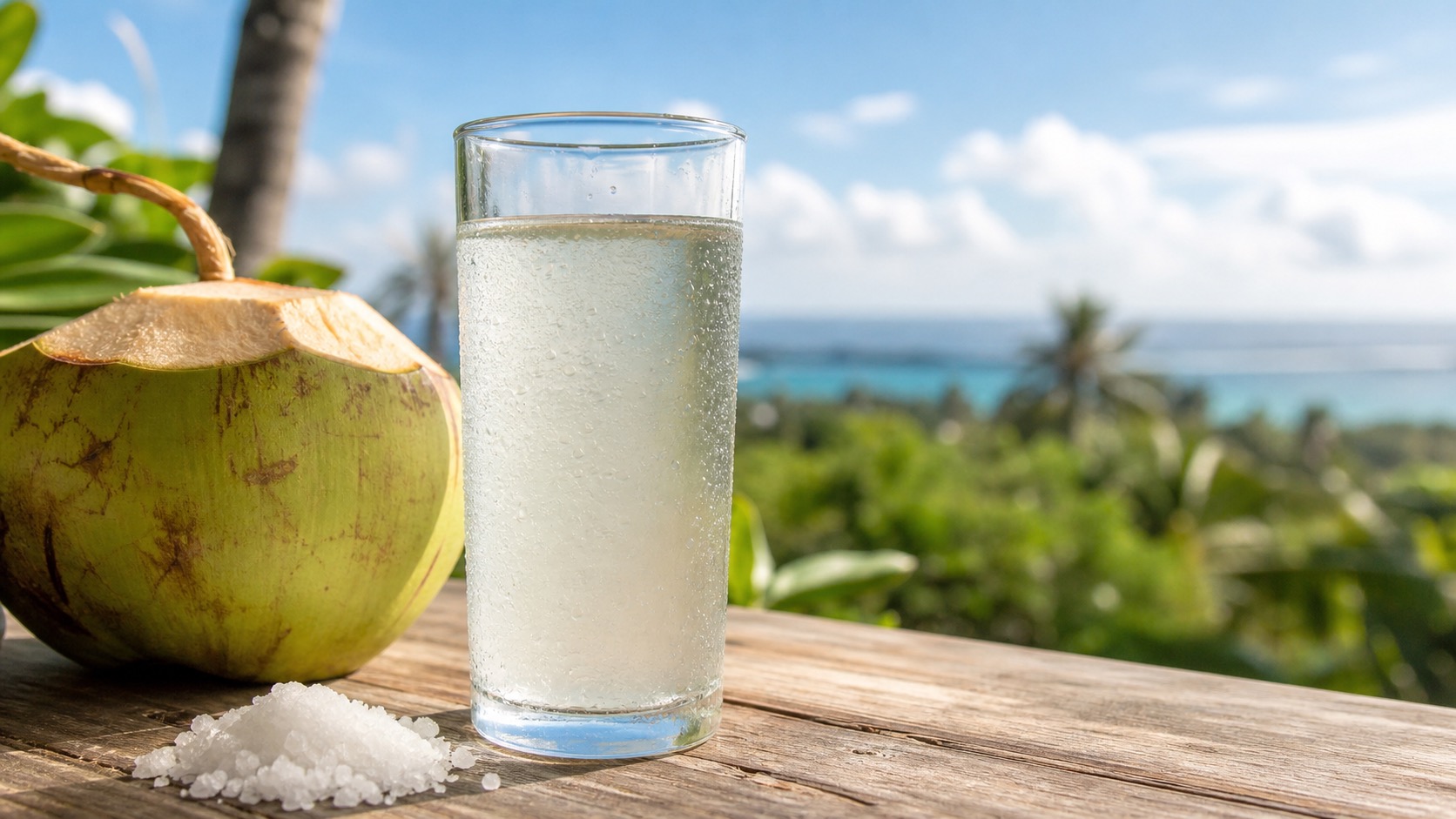
Most people know they need to drink more water in Bali's tropical climate. Fewer people understand why water alone is not enough, and why the right electrolyte balance matters as much as total fluid intake — particularly for anyone training or leading an active life here.
This guide explains what electrolytes are, why Bali's environment depletes them faster than most people expect, and how to stay properly hydrated in a climate that makes more demands on your body than you might be used to.
What Electrolytes Are and Why They Matter
Electrolytes are minerals that carry an electrical charge when dissolved in water. The key ones for human physiology are sodium, potassium, magnesium, chloride, phosphate, and calcium. They work together to:
- Regulate fluid balance inside and outside cells
- Drive nerve impulse transmission
- Enable muscle contraction and relaxation
- Support kidney function
- Maintain blood pH
When electrolytes fall out of balance — through sweat, illness, alcohol, or simply drinking too much plain water without replacing what is lost — the body cannot function normally. The symptoms range from mild (fatigue, headache, reduced exercise capacity) to serious (muscle cramps, cognitive impairment, in extreme cases cardiovascular events).
Why Bali Creates Higher Electrolyte Demands
Ambient heat and humidity. Bali sits close to the equator. Average daily temperatures are 28 to 33°C, and humidity is consistently high. The body sweats more to maintain core temperature in this environment, even at rest. Sweat contains sodium, potassium, magnesium, and chloride.
Physical activity. Training in Bali's heat significantly amplifies sweat losses compared to the same workout in a cooler climate. A one-hour training session at a Canggu gym can produce substantially higher sweat loss than the same session would in an air-conditioned Western gym in a temperate city.
Tropical diet adjustment. Some people eat less sodium during the early weeks in Bali due to dietary changes or conscious attempts to eat healthily. Sodium is the primary electrolyte lost in sweat and is the most important to replace.
Illness. Bali belly and gastrointestinal illness are common among new arrivals and cause rapid electrolyte depletion through fluid loss. See our Bali belly recovery guide.
Alcohol. Alcohol is a diuretic and drives significant fluid and electrolyte loss. Bali's social scene means this is a relevant factor for many people.
The Most Important Electrolytes
Sodium
Sodium is the primary electrolyte in extracellular fluid and the main driver of fluid retention. It is the electrolyte lost in the largest quantities through sweat, and replacing it is the cornerstone of any rehydration strategy.
This is worth emphasising because there is a cultural tendency among health-conscious people to restrict sodium. In Bali's climate, adequate sodium intake is important for people who are sweating regularly. The issue of excess sodium intake applies to a sedentary life in a cool climate; it is a different calculation for someone training in tropical heat.
Plain salt added to water works. Sodium-containing electrolyte products are more convenient. The cheapest and most universally available electrolyte support in Bali is ORS (oral rehydration salts) from any pharmacy.
Potassium
Potassium works alongside sodium for fluid balance and is critical for muscle and heart function. It is lost in sweat, typically at a lower rate than sodium but meaningfully. Bananas — abundant and inexpensive in Bali — are a natural potassium source. Coconut water contains natural potassium alongside sodium and is widely available.
Magnesium
Magnesium supports over 300 enzymatic reactions in the body, is involved in muscle relaxation, sleep quality, nerve function, and protein synthesis, and is depleted by physical activity, stress, and sweating. Magnesium deficiency is common globally and is amplified in high-sweat environments like Bali.
Read more about magnesium sourcing challenges in our nootropics and supplements guide.
What to Drink: Practical Options in Bali
ORS sachets (oral rehydration salts): Available at every pharmacy in Bali. Oralit is a common brand. These contain a precisely calibrated sodium-glucose ratio that maximises intestinal fluid absorption. Inexpensive and effective. Essential for acute dehydration.
Coconut water: Naturally occurring electrolytes including potassium and some sodium. Widely available, pleasant, and genuinely useful. Not as sodium-dense as ORS but a good everyday hydration support.
Premium electrolyte supplements: Products like LMNT (notably sodium-forward), Nuun tablets, and similar premium electrolyte brands are popular in health-conscious communities. These are harder to source in Bali than in Western markets — worth bringing from home.
Plain water: Essential and important, but insufficient on its own for sustained hydration during heavy activity or illness. Drinking large amounts of plain water without electrolyte replacement can dilute serum sodium, which causes its own problems.
Sports drinks: Products like Pocari Sweat are widely available in Bali and contain some electrolytes and glucose. They are useful for mild rehydration support but typically contain less sodium than premium electrolyte products.
How to Know If You Are Well Hydrated
Urine colour is the most accessible indicator. Pale straw yellow indicates good hydration. Dark yellow or amber indicates dehydration. Completely clear urine can indicate overhydration with insufficient electrolytes.
Thirst is a lagging indicator. By the time you feel noticeably thirsty during training in Bali's heat, you have already lost some capacity.
Training performance: A drop in strength, endurance, or cognitive sharpness during a session that should feel manageable is often an early signal of dehydration or electrolyte depletion.
Electrolytes and Training Performance in Bali
Training in heat with adequate electrolytes versus inadequate electrolytes is a meaningfully different physiological experience. Sweat losses reduce plasma volume, which reduces cardiac output efficiency, which directly affects training capacity. Replacing electrolytes helps maintain plasma volume and keeps the cardiovascular system running more efficiently under heat stress.
Practical protocol for Canggu gym sessions:
- Drink 500ml of water with a sodium source before training
- Sip electrolyte water during training
- Replace post-training with electrolytes and a full meal or snack with natural sodium content
- Continue hydration through the rest of the day
FAQ
Can I drink too much water in Bali?
Yes. Drinking very large amounts of plain water without electrolyte replacement can dilute serum sodium (hyponatraemia), causing headache, nausea, confusion, and in severe cases more serious symptoms. This is more of a risk during very long endurance events but is worth understanding. The solution is electrolyte replacement alongside water, not simply limiting water intake.
Is coconut water a good electrolyte source in Bali?
Yes, coconut water is a useful natural electrolyte source. It contains potassium, some sodium, and magnesium. It is not as sodium-dense as ORS or dedicated electrolyte supplements during significant dehydration but is excellent for daily hydration support and easy to find everywhere in Bali.
What electrolyte product should I bring to Bali?
Products with high sodium content are most useful for training and active use in the heat. LMNT (sodium-forward formulation), Nuun Sport tablets, or similar products are popular choices. These are harder to find in Bali, making it worth bringing a supply.
Are electrolyte products available at Bali pharmacies?
ORS sachets (oral rehydration salts) are available at all pharmacies and are the most important electrolyte product. Basic electrolyte drinks like Pocari Sweat are widely available. Premium electrolyte supplements from Western brands are harder to source.
Do I need electrolytes if I am not exercising?
In Bali's tropical climate, even people not doing formal exercise lose meaningful electrolytes through perspiration during daily activity. Adequate sodium intake through diet and occasional electrolyte support, particularly during very hot days, is sensible even for non-athletes.
Stay Properly Hydrated in Bali
Hydration is the foundation of everything else you are trying to do with your health in Bali. For quality-verified supplements and wellness products that support your active life here, visit our shop or explore the blog for more practical guides.
For personalised guidance on your wellness routine in Bali, book a consultation.
Disclaimer: This article is for educational and informational purposes only. It does not constitute medical advice, diagnosis, or treatment. Always speak with a qualified healthcare professional if you have concerns about hydration, electrolyte balance, or your health. People with kidney conditions or other health issues should seek professional guidance on fluid and electrolyte management.