
Safety
How to Spot Fake Supplements in Bali: Label, Batch Number, and Quality Checks
Published 20 Jun 2026, 09:00 Bali time
Fake and adulterated supplements are a real problem in Bali's market. Here is a practical guide to spotting them using label checks, batch numbers, and quality signals.
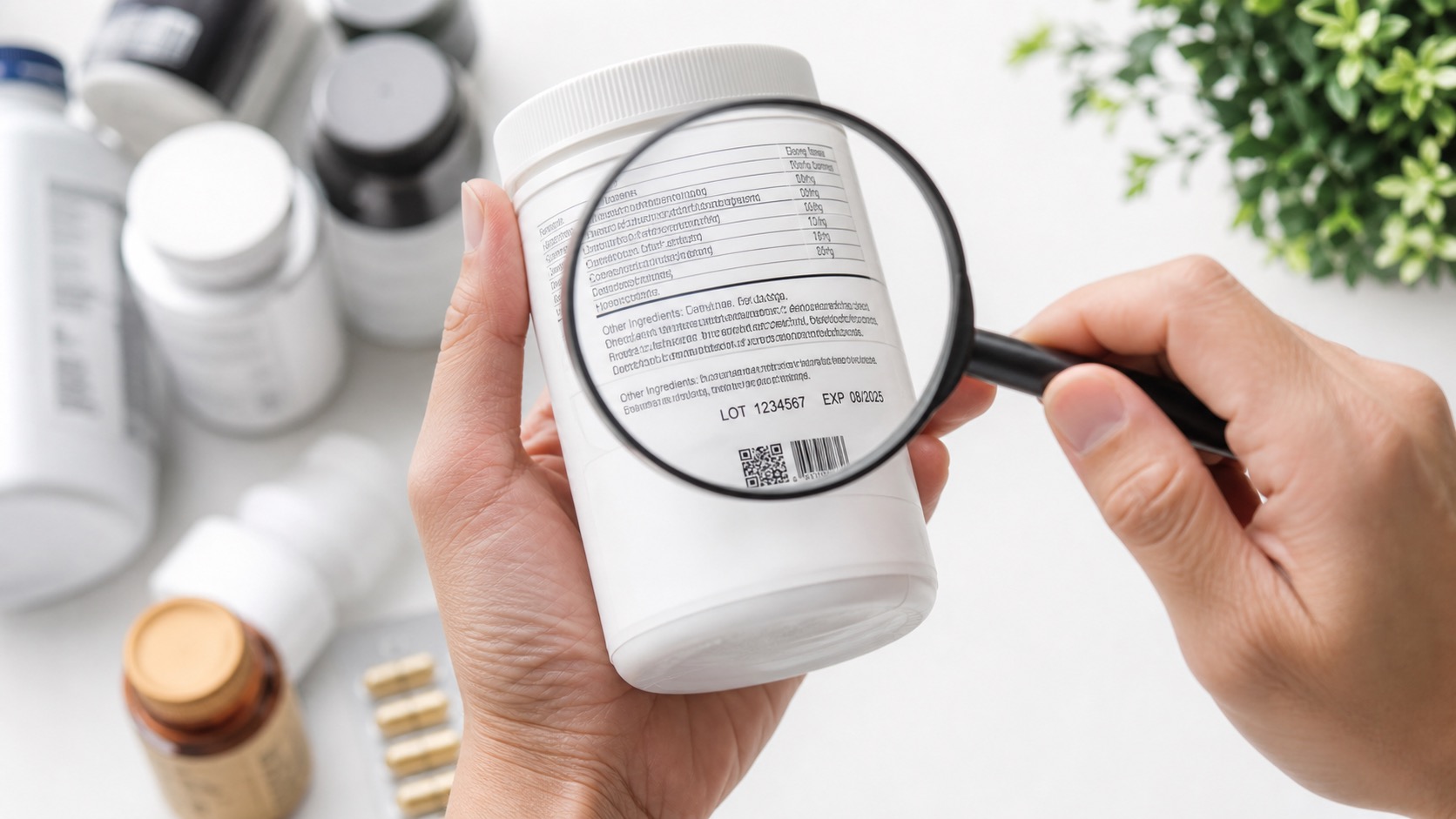
Fake, counterfeit, and adulterated supplements are not a theoretical risk in Bali. They are a documented reality in many Asian supplement markets, and Indonesia is no exception. If you have searched Tokopedia or Shopee for a well-known supplement brand, you have almost certainly encountered listings that are either counterfeit products, grey-market imports, or something that claims to be a supplement without the transparency to back it up.
This guide gives you the practical checks to do before consuming anything you buy from an unverified source in Bali.
Why Fake Supplements Exist in Indonesia
The supplement industry globally has a counterfeiting problem, and markets where regulatory oversight of imported goods is inconsistent are particularly vulnerable. A counterfeit tub of a well-known protein brand can be produced cheaply with visually convincing packaging and sold at a price that looks like a bargain. Without testing, it is difficult for most consumers to know what they are actually getting.
In Bali specifically, the combination of high demand from a health-conscious expat and tourist community, limited authorised distribution channels for many international brands, and a large volume of third-party online sellers creates an environment where low-quality or counterfeit products can circulate.
The consequences range from simply not getting what you paid for, to consuming something that could have unintended health effects. Neither outcome is acceptable.
The Label Check
The first and most accessible quality check is the label. A counterfeit or low-quality supplement product will almost always have label inconsistencies that are visible on close inspection.
What a genuine label should have:
- Manufacturer name and country of origin, clearly stated
- Full ingredient list with amounts per serving
- Serving size in grams or units
- Nutrition information panel formatted consistently
- Allergen information where applicable
- A BPOM registration number if the product is locally registered
- Storage instructions
- Net weight of product
- Expiry date and batch number
What to look for as warning signs:
- Fonts that look inconsistent or slightly off compared to official brand websites
- Colours that are slightly different from the brand's official visual identity
- Grammatical errors, unusual phrasing, or translated text that does not read naturally
- Ingredients listed vaguely, for example "amino blend" without specifying which amino acids or how much of each
- Protein content claims that seem unusually high relative to serving size
- Missing sections that genuine products always include
Take a photo of the product label and compare it with the official product page on the brand's website. Counterfeits often get close but rarely get everything exactly right.
The Batch Number and Expiry Date Check
Every legitimate supplement carries a batch number and an expiry date. These serve important functions: they allow the manufacturer to trace and recall products if a quality issue is identified, and they tell you how long the product has been in storage.
What to check:
- Batch number should be clearly printed, not stickered over or blurred
- Expiry date should be in a reasonable future timeframe
- For products with tamper-evident seals, check that the seal is intact and consistent with what the brand uses
Some brands offer online batch verification where you can enter the batch number on their website and confirm whether it corresponds to a genuine production run. For premium brands that offer this feature, it is worth using.
The Seller Check
Who you buy from matters as much as what you buy.
Lower risk sources:
- Official brand stores on Tokopedia or Shopee (look for the verified official store badge)
- Established pharmacy chains in Bali (Century Pharma, Kimia Farma, and similar)
- Dedicated health stores with a known physical presence in Canggu, Seminyak, or Ubud
- Premium wellness suppliers who can explain their sourcing and provide documentation
Higher risk sources:
- Anonymous third-party sellers on Tokopedia or Shopee with limited reviews
- Social media sellers without verifiable brand relationships
- Informal market stalls or pop-up supplement vendors
- Listings where the seller cannot or will not answer questions about product origin
A legitimate seller should be able to tell you the name of their supplier or importer and confirm whether they are an authorised reseller for the brands they carry.
The Price Check
Price alone is not sufficient to assess quality, but extreme discounts are a signal worth taking seriously. If a product from a premium brand is being sold at 50 to 60 percent below what other verified sellers charge, there is a strong likelihood that something is wrong: either the product is counterfeit, it has been stored improperly, it is expired, or it has been sourced through a supply chain that cannot be verified.
A rule of thumb: if the discount seems too good to be true in a market where import duties make supplements more expensive, not less, it probably is.
Physical Packaging Checks
Beyond the label, inspect the physical packaging itself.
- Seals should be intact and professionally applied, not visibly damaged or re-adhered
- Capsule or powder colour should match what is described on the label and on the brand's official site
- Powder consistency should be appropriate to the product type. Clumping in a product that should be dry powder may indicate improper storage or moisture exposure
- Smell should match what you expect for the product type. Unusual odours are a warning sign
- Capsule fill should look consistent and professional, not uneven or discoloured
What to Do If You Suspect a Fake
If you have purchased a supplement and suspect it may not be genuine, do not consume it. Photograph the packaging, batch number, and any label anomalies. Contact the brand's official customer service with your photos to report the product. Many established brands actively monitor for counterfeits in markets like Indonesia and take reports seriously.
You can also report questionable products to BPOM via their official channels.
Where to Get More Reliable Wellness Products in Bali
FAQ
How common are fake supplements in Bali?
Counterfeit and adulterated supplements are a documented problem across Asian supplement markets, including Indonesia. The risk is higher when purchasing from anonymous online sellers or informal channels than from verified brand stores or established pharmacies.
What are the most commonly counterfeited supplements in Indonesia?
Protein powders from well-known brands are among the most frequently counterfeited products. Pre-workout formulas, weight loss supplements, and hormonal products also have documented counterfeiting issues in various markets.
Can a fake supplement be dangerous?
Yes, in some cases. Underdosed or incorrectly labelled products mean you are not getting what you paid for. More seriously, some counterfeit supplements have been found to contain undisclosed pharmaceutical ingredients, contaminants, or unlisted substances that can have unintended health effects.
Does BPOM registration guarantee a product is genuine?
A valid BPOM registration number is a useful verification step for locally registered products. However, counterfeiters sometimes fabricate or misuse registration numbers. Verification on the BPOM official website adds confidence, but it is one check among several rather than a complete guarantee.
Is there a way to verify a supplement is genuine before buying online?
Several steps help: purchase from official brand stores with verification badges, compare product images carefully with official brand website photos, check whether the brand offers batch number verification, and read seller reviews critically. No single check eliminates all risk, but combining several dramatically reduces it.
Make Safer Choices in Bali
If you are building a supplement or wellness routine in Bali and want guidance on quality-verified products, Peptides Pro Indonesia is here to help. We take sourcing and product integrity seriously across everything we offer.
Explore our blog for more Bali wellness guides or reach out for a consultation.
Disclaimer: This article is for educational and informational purposes only. It does not constitute medical advice, diagnosis, or treatment. Always speak with a qualified healthcare professional before using supplements, peptides, IV therapies, or any health-related product or service. Product availability and regulations may vary in Indonesia.