
Education
How to Verify Your Peptide Dose at a Bali Wellness Clinic
Published 18 Aug 2026, 21:00 Bali time
Bali has dozens of wellness clinics offering peptide injections. Most are run by professional staff. But knowing how to verify your own dose takes two minutes and could save you from a serious error.
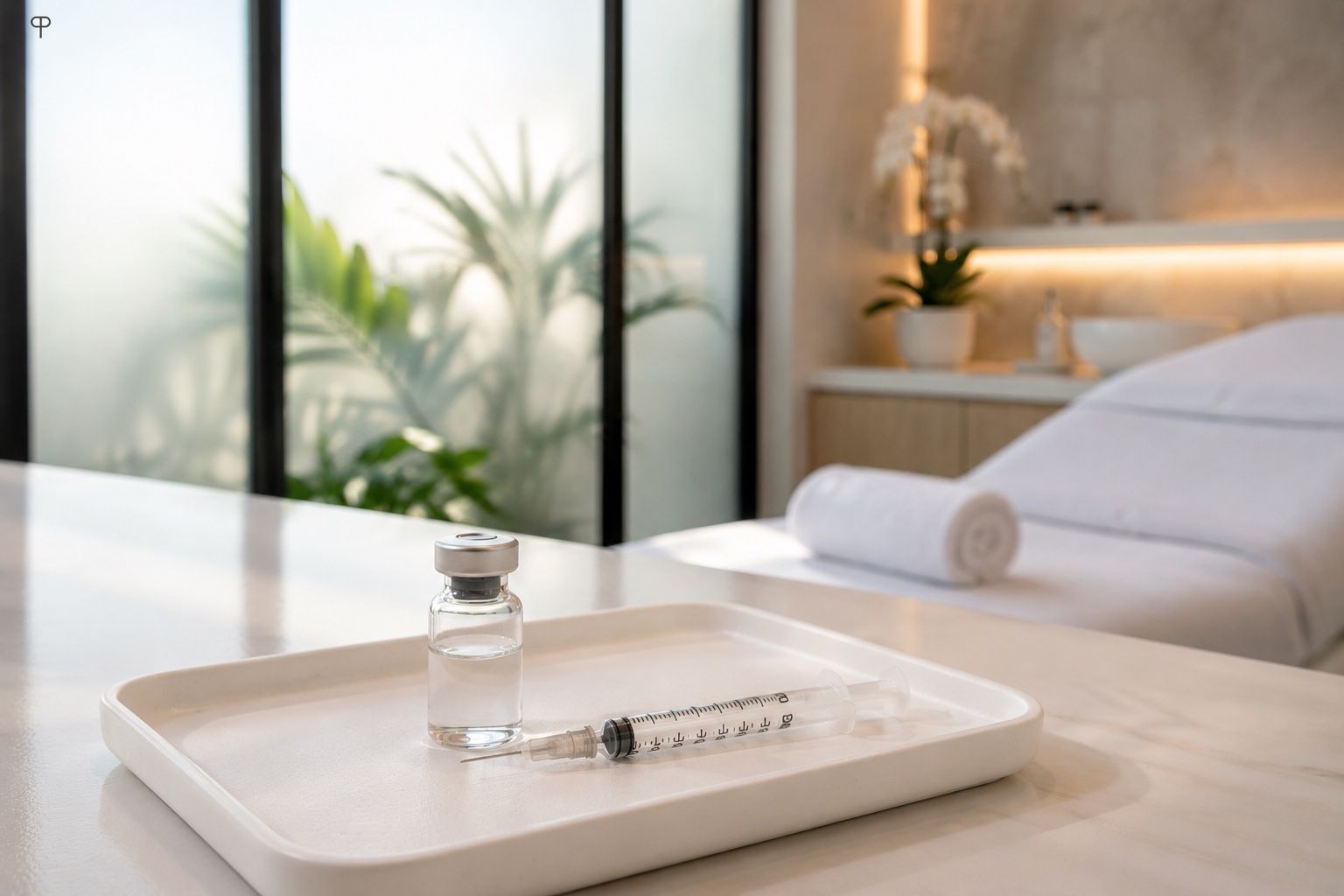
Bali's wellness industry has matured quickly. Clinics in Canggu, Seminyak, and Ubud now offer peptide injections alongside IV drips, NAD+ infusions, and GH protocols as standard menu items. Most of the staff administering these treatments are genuinely trained and professional.
That is not a reason to outsource your dose verification entirely.
Dosing errors with peptides are documented and not rare. The FDA issued a formal alert specifically about semaglutide dosing errors at compounding clinics in the United States. Patients received five to ten times their intended dose because of unit conversion confusion. Confusion that happens to experienced providers, not just careless ones. Bali clinics operate under Indonesian regulation rather than FDA oversight, and standards vary considerably between providers.
This is not an argument against using Bali wellness clinics. It is an argument for spending two minutes verifying your dose before the needle goes in. That verification is something any informed patient can do, and it does not require trusting your math over the clinic's. It requires understanding enough to spot a number that is obviously wrong.
The Peptides Pro dose calculator gives you that check in about 30 seconds. Here is how to use it in a clinic context.
What Information You Need to Verify a Dose
Before any peptide injection at a clinic, you need to know four things:
What compound is in the vial. Ask for the vial label if it is not already visible. The compound name, vial size in mg, and lot number should all be present on any professionally compounded product.
The vial size. How many mg of peptide are in the vial. This is on the label.
How much bacteriostatic water was used to reconstitute it. This is where many clinics are unclear. If the vial arrived pre-mixed from a compounding pharmacy, the label should state the concentration, such as "2.5 mg/mL." If it was mixed in-house, the nurse or doctor should be able to tell you the water volume used. If they cannot tell you either the concentration or the water volume, that is a red flag worth noting.
Your intended dose. What you are supposed to receive. This should have been established in a consultation before the treatment, not improvised at the chair.
With those four numbers, you can check the dose yourself. Enter the vial size, water volume, and target dose into the Peptides Pro calculator and it tells you how many units should be in the syringe.
Then look at the syringe. If what they are about to inject is within a few units of what the calculator shows, you are aligned. If it is dramatically different, ask the question before the injection happens.
The Most Common Source of Error: Units vs Milligrams
The single most common dosing error in clinical peptide settings involves confusion between milligrams (mg) and syringe units. On a standard U-100 insulin syringe, 100 units equals 1 mL. So 10 units is 0.10 mL, and 50 units is 0.50 mL.
A dose of 0.25 mg of semaglutide is 250 mcg. With a typical compounded semaglutide concentration, say 25 mcg per unit, the correct draw is 10 units. If the concentration is higher, say 50 mcg per unit, the correct draw is 5 units.
The error that the FDA documented involved a provider writing "25 units" when they meant a dose of 0.25 mg and the correct draw was 5 units. The patient received five times the intended dose.
You do not need to understand every step of that calculation. You just need to know what number the calculator says and whether the physical syringe matches it.
Questions to Ask Your Bali Clinic Before Any Peptide Injection
A professional clinic should have no problem answering these:
"Can I see the vial label?" You are looking for the compound name, the total mg in the vial, and the concentration if pre-mixed.
"What concentration is this solution? How much water was it reconstituted with?" If the answer is "I'm not sure" or "we don't know," that is a quality control concern.
"What dose am I receiving today, and what is my titration schedule?" Especially relevant for GLP-1 compounds such as semaglutide and tirzepatide, where the dose can increase across treatment phases. A provider who does not know what phase of the titration schedule you are on should not be adjusting your dose without proper clinical assessment.
"What syringe are you using?" Standard insulin syringes are U-100, meaning 100 units equals 1 mL. If they are using a different syringe type, the unit markings are different and so is the calculation. This matters when you are verifying the draw.
What Good Bali Clinic Practice Looks Like
The best peptide clinics in Bali operate more like medical practices than wellness spas. They conduct an intake consultation, review your goals and any contraindications, explain the compound they are using, its dose, and what to expect. They use pre-filled or clearly labelled vials from identifiable compounding sources, and staff can answer specific questions about concentration and dosing without hesitation.
Specific indicators to look for:
The vial has a pharmacy label with the compound name, concentration, lot number, and expiry date. "Unlabelled vials of clear liquid" is not acceptable regardless of how premium the waiting room looks.
The person preparing the injection is either a medical professional, such as a doctor or nurse, or working under the direct supervision of one. Injectable peptides administered by aestheticians or wellness coaches without medical supervision fall outside standard clinical practice.
The clinic offers written documentation of what you received, the dose, the batch number, and the date. This matters for continuity if you see another provider later or experience any adverse effects.
The consultation happened before, not during, the treatment. Deciding dose and compound simultaneously with the injection removes the chance to ask questions or verify anything.
For People Self-Administering in Bali
Some people staying in Bali for extended periods prefer to self-administer rather than attend a clinic for every injection. This is common among expats and long-stay travellers on established protocols.
If you are obtaining peptides in Bali and self-administering, the calculation responsibility is entirely yours. The Peptides Pro calculator handles the reconstitution math for any compound and any vial size. You input your vial mg, the bacteriostatic water volume you used, and your target dose in mcg. It outputs the units to draw.
Locally sourced peptides in Bali sometimes come in different vial sizes than you may be accustomed to from your home country. A Chinese-manufactured vial may be 5 mg where you previously used 10 mg. The dose calculation changes entirely when the vial size changes. Always run the calculator fresh when you switch to a new vial or a new supplier's product, regardless of how familiar the compound is.
When to Walk Out
A few situations that warrant declining the treatment and leaving:
The clinic cannot tell you what concentration the solution is and cannot show you a labelled vial.
The dose being offered is significantly different from what was agreed in your consultation, with no explanation.
The provider seems uncertain about the compound's reconstitution or has not prepared vials in advance.
The calculator shows a number that is dramatically different from the drawn syringe and the clinic cannot explain the discrepancy when you ask.
None of this is about being difficult. It is about the basic standard of care you are entitled to as a patient. Reputable Bali clinics understand and respect informed patients. Clinics that become defensive when asked reasonable questions about dose verification are telling you something important about their operating standards.
This article is for educational and informational purposes only. It does not constitute medical advice, diagnosis, or treatment. Consult a qualified healthcare professional before using any peptide compound.