
Education
Peptides and Sleep: What Wellness Users Should Know
Published 11 Jul 2026, 20:07 Bali time
Explore what current research says about peptides, sleep, and recovery, while separating scientific evidence from common misconceptions.
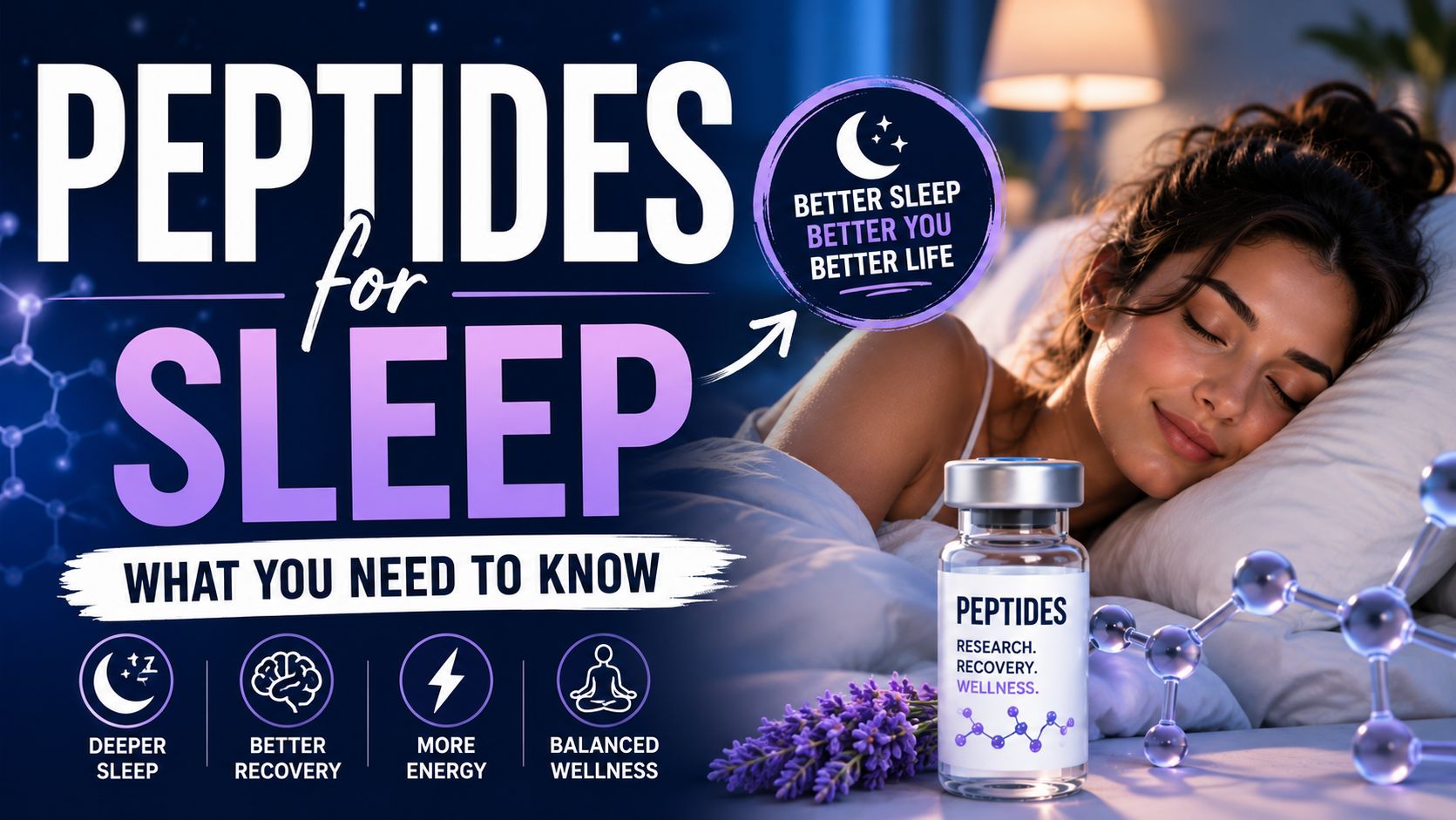
Sleep has become one of the most talked-about topics in modern wellness. From athletes and entrepreneurs to travelers and fitness enthusiasts visiting Bali, many people are searching for ways to improve their sleep quality and wake up feeling more refreshed.
As interest in health optimization continues to grow, peptides have increasingly become part of conversations surrounding sleep, recovery, and overall well-being. But before believing the claims often seen online, it is important to understand what science currently says—and what it does not say.
Why Sleep Matters More Than Most People Realize
Sleep is not simply a period of rest. During sleep, the body carries out numerous processes that support physical and mental health.
Research shows that healthy sleep plays an important role in:
- Memory and learning
- Energy regulation
- Immune function
- Physical recovery
- Mood and emotional well-being
- Hormonal balance
When sleep quality declines, many people notice effects on concentration, productivity, exercise performance, and overall quality of life.
For this reason, sleep has become a major focus within wellness communities across Bali and around the world.
What Are Peptides?
Peptides are short chains of amino acids that naturally occur in the body and help regulate various biological functions.
Researchers have studied different peptides for a variety of purposes, including metabolism, tissue repair, hormone signaling, and recovery-related processes.
Because sleep is closely connected to many biological systems, some peptides have become subjects of scientific investigation regarding their potential influence on sleep-related mechanisms.
However, it is important to remember that peptides are not all the same. Different peptides have different functions, different levels of scientific evidence, and different regulatory statuses.
Why Are People Talking About Peptides and Sleep?
The connection between sleep and wellness has become increasingly popular in recent years.
Many wellness users are interested in optimizing:
- Recovery
- Daily energy levels
- Athletic performance
- Mental focus
- Stress management
Since sleep affects all of these areas, discussions about peptides often appear alongside broader conversations about longevity, recovery, and wellness optimization.
However, social media discussions frequently move faster than scientific evidence.
Consumers should understand that interest in a treatment does not automatically mean its benefits have been conclusively proven.
What Does Current Research Suggest?
Scientists continue to study how certain peptides interact with biological pathways that influence sleep and recovery.
Some research explores how peptides may affect systems involved in:
- Hormonal signaling
- Circadian rhythms
- Recovery processes
- Nervous system function
At the same time, many questions remain unanswered.
For numerous peptide compounds, researchers are still investigating:
- Long-term safety
- Effectiveness
- Appropriate medical uses
- Potential risks
- Individual differences in response
This means consumers should be cautious when encountering strong marketing claims.
Beware of “Sleep Miracle” Marketing
One of the biggest problems in the wellness industry is the tendency to oversimplify complex health issues.
Sleep challenges can result from many factors, including:
- Stress
- Anxiety
- Poor sleep habits
- Medical conditions
- Environmental factors
- Travel and jet lag
- Lifestyle choices
Because sleep is influenced by so many variables, no product should be viewed as a guaranteed solution.
Claims such as:
- “Sleep perfectly every night”
- “Fix insomnia instantly”
- “Guaranteed deep sleep”
- “Scientifically proven sleep hack”
should be approached carefully.
Science rarely supports promises that sound too good to be true.
Bali’s Growing Wellness Culture
Bali has developed an international reputation as a destination for wellness, recovery, and healthy living.
Visitors often come to the island seeking experiences related to:
- Yoga
- Meditation
- Fitness
- Recovery programs
- Nutrition
- Holistic wellness
As a result, discussions around sleep optimization have become increasingly common.
While many wellness services in Bali are reputable, consumers should remember that not every treatment discussed online is supported by strong scientific evidence.
Asking questions and seeking reliable information remains essential.
Sleep Foundations Still Matter Most
Health experts consistently emphasize that good sleep usually begins with basic habits rather than advanced interventions.
These habits include:
Maintaining a Consistent Sleep Schedule
Going to bed and waking up at similar times each day helps support healthy sleep patterns.
Managing Light Exposure
Natural daylight during the day and reduced exposure to bright screens at night can help support the body’s internal clock.
Creating a Comfortable Sleep Environment
Temperature, noise levels, and overall comfort can influence sleep quality.
Managing Stress
Mental stress and emotional strain are among the most common reasons people struggle with sleep.
Physical Activity
Regular exercise is associated with better overall sleep quality for many individuals.
These foundations remain important regardless of whether someone is interested in peptides or other wellness approaches.
Questions Consumers Should Ask
Before considering any peptide-related treatment associated with sleep, wellness users should ask:
- What evidence supports this treatment?
- Has it been studied in humans?
- What are the known risks and limitations?
- Is the treatment supervised by qualified professionals?
- Is the product legally sourced?
- Are expectations being presented realistically?
Trustworthy providers should be able to discuss both potential benefits and uncertainties.
The Importance of Individual Differences
One reason sleep research is complex is that people respond differently to interventions.
Factors such as:
- Age
- Health status
- Lifestyle
- Stress levels
- Existing medical conditions
can all influence sleep quality.
What works for one individual may not work for another.
This is why healthcare professionals often emphasize personalized assessment rather than relying on generalized promises.
Final Thoughts
Sleep remains one of the most powerful tools for supporting health, recovery, and overall well-being. As interest in peptides continues to grow in Bali’s wellness community, it is important to separate scientific evidence from marketing hype.
While researchers continue to investigate the relationship between peptides and sleep-related processes, many questions remain under study. Consumers should approach the topic with curiosity, but also with healthy skepticism.
The best approach is to focus on evidence-based information, prioritize healthy sleep habits, and seek guidance from qualified professionals when making health-related decisions.
When it comes to sleep, informed choices are often more valuable than the latest wellness trend.
Important Disclaimer
This article is intended for educational and informational purposes only. Peptide research is an evolving field, and scientific understanding continues to develop. The information presented here should not be interpreted as medical advice, a recommendation to use any specific peptide, or a substitute for guidance from a qualified healthcare professional. If you have questions about your sleep or are considering any health or wellness treatment, consult a licensed medical professional who can provide advice based on your individual circumstances.