
Education
Why Do People Travel to Bali for Wellness Treatment?
Published 9 Aug 2026, 21:00 Bali time
Discover why Bali has become one of the world's leading wellness destinations. Learn about wellness tourism, recovery, longevity, holistic health, and why international visitors continue choosing Bali.
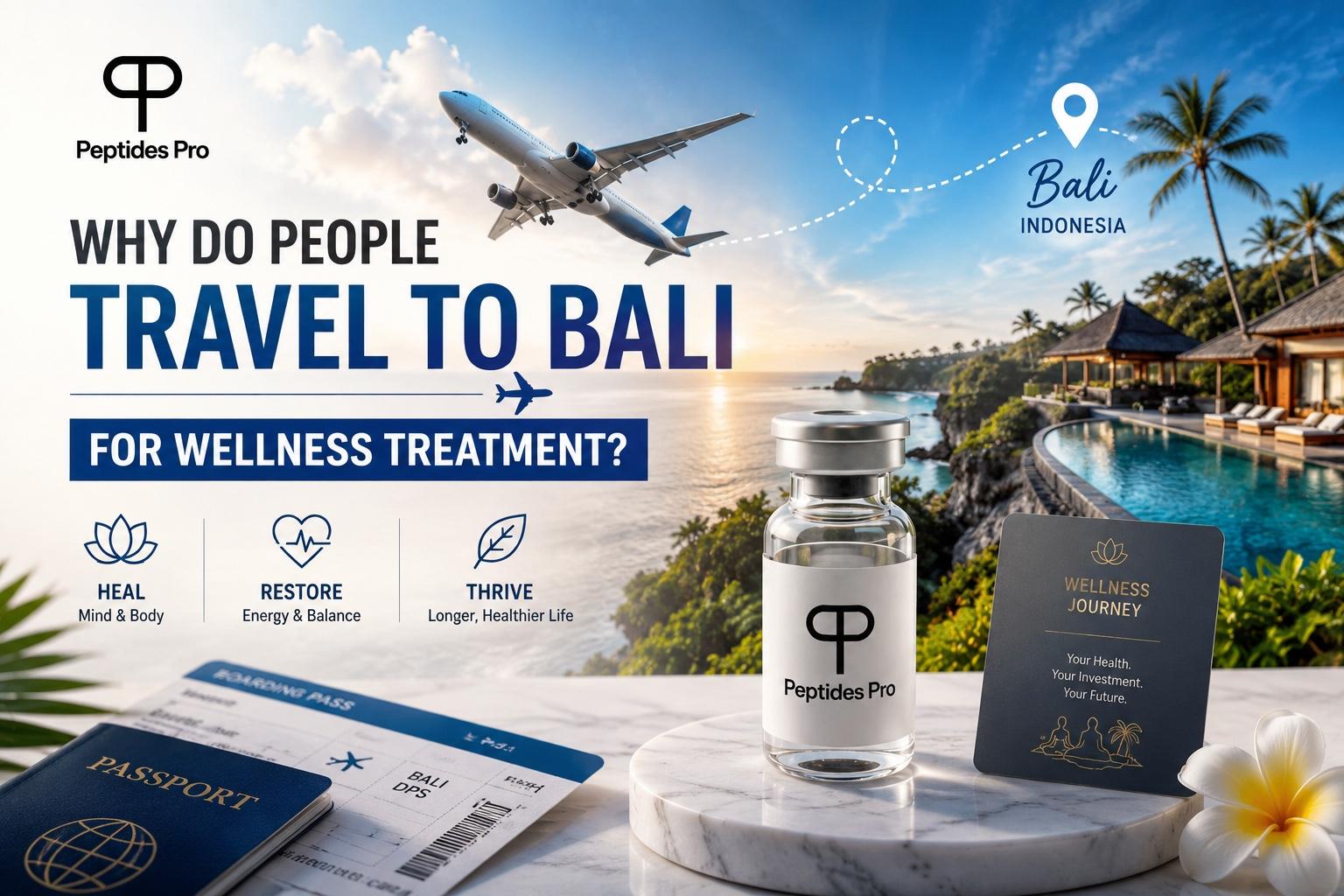
For decades, Bali has attracted millions of visitors with its beaches, tropical landscapes, and rich cultural heritage. Today, however, many people arrive for a very different reason.
They are not simply looking for a holiday.
They are looking to improve their health.
From executives recovering from burnout to athletes seeking faster recovery and retirees investing in healthy ageing, Bali has evolved into one of Asia's leading wellness destinations. Its unique combination of natural beauty, luxury hospitality, modern wellness services, and holistic traditions continues to attract visitors from around the world.
So why has Bali become such a popular destination for wellness treatment?
The answer goes far beyond beautiful resorts.
Wellness Tourism Is Growing Worldwide
The wellness industry has experienced remarkable growth over the past decade.
According to the Global Wellness Institute, wellness tourism is expanding faster than traditional tourism as more people prioritise prevention, recovery, and long term health instead of only treating illness after it appears.
Travellers today are increasingly interested in experiences that improve both physical and mental wellbeing. Rather than spending a week relaxing beside a pool, many now plan holidays that include health assessments, fitness programmes, nutritious food, stress reduction, and personalised wellness plans.
Bali has positioned itself perfectly within this global movement.
A Natural Environment That Supports Recovery
One of Bali's greatest strengths is its environment.
The island offers warm weather throughout most of the year, fresh tropical produce, ocean views, rice terraces, and peaceful natural surroundings that encourage relaxation.
Numerous studies have shown that spending time in natural environments may help reduce stress, improve mood, and support overall wellbeing. While nature alone is not a medical treatment, many visitors report feeling mentally refreshed after spending time outdoors.
This combination of scenery and slower pace of life creates an environment that complements many wellness programmes.
Luxury Wellness Experiences
Bali is home to hundreds of premium wellness resorts, boutique hotels, and private villas designed around health and relaxation.
Many offer experiences such as
- personalised nutrition programmes
- yoga and meditation
- massage and body therapies
- fitness coaching
- recovery treatments
- sleep optimisation
- mindfulness sessions
- healthy dining
This variety allows visitors to create personalised wellness experiences based on their individual goals.
Traditional Healing Meets Modern Wellness
One reason Bali stands apart from many destinations is its ability to combine traditional healing practices with modern wellness approaches.
Visitors often explore
- Balinese massage
- herbal therapies
- meditation
- breathwork
- yoga
At the same time, they may also seek modern services such as
- body composition analysis
- blood testing
- physiotherapy
- recovery technologies
- evidence based health consultations
This balance appeals to travellers who appreciate both traditional wisdom and modern science.
The Rise of Longevity Tourism
Healthy ageing has become one of the fastest growing areas within the global wellness industry.
Many travellers are no longer focused solely on appearance.
Instead, they want to maintain energy, mobility, cognitive health, and physical performance as they grow older.
This has increased interest in
- recovery
- nutrition
- metabolic health
- sleep
- exercise science
- personalised healthcare
Bali has become one of several international destinations where these conversations are becoming increasingly common.
Social Media Has Increased Global Awareness
Social media has played a major role in Bali's wellness reputation.
Health professionals, fitness coaches, entrepreneurs, athletes, and digital creators regularly share their wellness experiences from the island.
Popular podcasts and educational platforms discussing longevity, recovery, nutrition, and health optimisation have also encouraged travellers to learn more before visiting.
As a result, many visitors now arrive already familiar with current wellness trends and prepared to ask informed questions.
A Destination for Recovery
Many visitors choose Bali after physically or mentally demanding periods of life.
Some arrive following intense work schedules.
Others visit after athletic competitions, stressful careers, or major life transitions.
Rather than viewing wellness as luxury, many now consider it an investment in long term health.
The island's combination of peaceful surroundings, professional hospitality, and wellness focused services makes it an attractive place to reset both physically and mentally.
Wellness Is Becoming More Personal
Perhaps the biggest change within wellness tourism is personalisation.
People no longer expect identical programmes.
Instead, they look for solutions that match their own goals, whether those involve
- improving fitness
- reducing stress
- supporting healthy ageing
- recovering from intense exercise
- improving sleep
- learning healthier lifestyle habits
This personalised approach continues to drive Bali's popularity among international visitors.
Frequently Asked Questions
Why is Bali famous for wellness tourism?
Bali combines luxury accommodation, beautiful natural surroundings, healthy cuisine, traditional healing practices, and modern wellness services, making it one of Asia's leading wellness destinations.
Is wellness tourism different from medical tourism?
Yes.
Medical tourism generally involves travelling for specific medical procedures or treatments, while wellness tourism focuses on improving overall wellbeing through prevention, recovery, healthy lifestyle practices, and holistic care.
Who visits Bali for wellness?
Visitors include professionals, entrepreneurs, athletes, retirees, digital nomads, couples, and individuals seeking relaxation, recovery, and healthier lifestyles.
Why is Bali popular for healthy living?
The island offers a combination of tropical climate, fresh food, active outdoor lifestyle, luxury wellness facilities, and an international community interested in health and wellbeing.
Is Bali becoming a global wellness destination?
Yes.
Growing international interest in longevity, healthy ageing, recovery, and preventive health has helped establish Bali as one of the world's most recognised wellness tourism destinations.
Final Thoughts
Bali's popularity as a wellness destination is not simply the result of beautiful beaches or luxury resorts.
It reflects a global shift in how people think about health.
Travellers increasingly value prevention over reaction.
They seek recovery alongside adventure.
They prioritise long term wellbeing rather than temporary relaxation.
As wellness tourism continues to grow, Bali remains one of the few destinations capable of combining nature, hospitality, traditional healing, and modern wellness into a single experience.
For many visitors, that combination is exactly what makes the island worth travelling to.
Disclaimer
This article is intended for educational purposes only. It does not provide medical advice or recommend any specific treatment. Individuals should consult qualified healthcare professionals before making decisions regarding their personal health or wellness programmes.