
Education
Why More Wellness Tourists Are Asking About Peptides in Bali
Published 7 Aug 2026, 21:00 Bali time
Discover why peptides have become a growing topic among wellness tourists visiting Bali. Learn how social media, longevity science, recovery trends, and health tourism are shaping conversations around peptides.
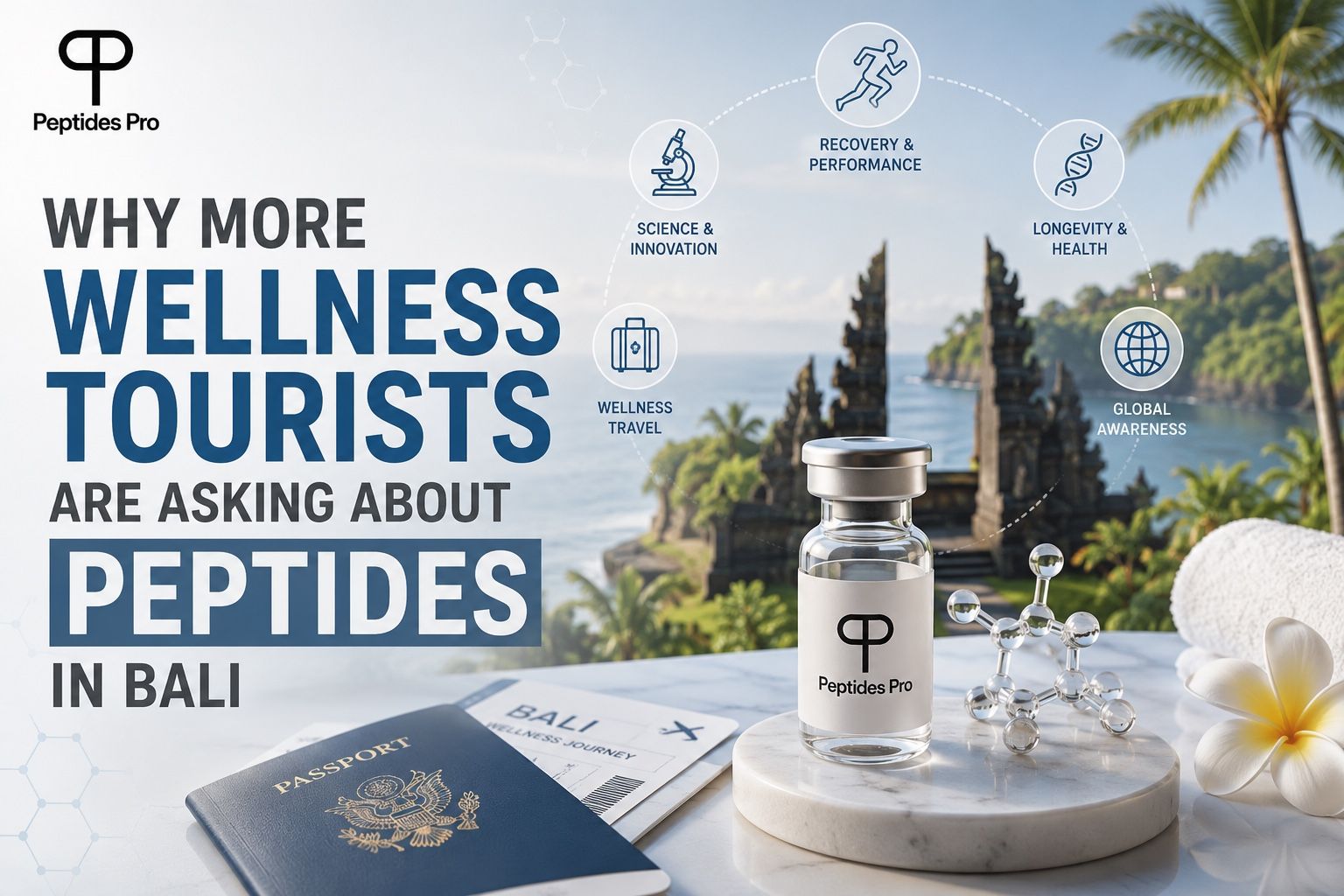
Bali has earned a reputation as one of the world's leading wellness destinations.
For years, travellers have visited the island for yoga retreats, luxury spas, healthy cuisine, fitness programs, meditation, and holistic health experiences. Today, another topic is becoming increasingly common in conversations among international visitors.
Peptides.
Whether it is discussed in a wellness clinic, a fitness community, or over coffee at one of Canggu's many health cafés, more travellers are asking questions about peptides than ever before.
So why is this happening?
The answer is not simply because peptides are becoming more popular. It reflects a much larger shift in how people think about health, ageing, recovery, and performance.
Wellness Tourism Has Changed
A decade ago, many people travelled to Bali to relax.
Today, many arrive with a different goal.
They want to improve their health.
Modern wellness tourism is no longer limited to massages and spa treatments. Visitors increasingly seek personalised experiences that may include nutrition coaching, fitness programmes, recovery therapies, sleep optimisation, blood testing, and evidence based approaches to healthy ageing.
According to the Global Wellness Institute, wellness tourism continues to grow faster than traditional tourism, with travellers spending significantly more than the average international tourist because health has become one of their highest priorities.
As wellness becomes more personalised, curiosity about peptides has naturally grown alongside it.
Social Media Has Made Peptides Impossible to Ignore
One of the biggest reasons peptides have entered mainstream conversations is social media.
Platforms like YouTube, Instagram, TikTok, and X have introduced millions of people to discussions about longevity, recovery, metabolism, and performance.
Many podcasts focused on health and science regularly discuss emerging areas of medical research, including peptides.
While social media has increased awareness, it has also created confusion.
Some creators present balanced scientific discussions, while others make claims that go well beyond the available evidence.
For this reason, experienced wellness travellers often look for educational information before making purchasing decisions.
The Rise of Longevity Culture
Another reason peptides receive growing attention is the rapid rise of longevity medicine.
Instead of waiting until illness develops, many people now focus on maintaining health for as long as possible.
Recovery, healthy ageing, metabolic health, sleep quality, and physical performance have become common topics within the global wellness community.
This shift has encouraged many travellers to research areas of medicine that were once discussed only within specialist scientific circles.
Peptides have become part of that conversation.
High Profile Figures Have Increased Public Awareness
Several well known figures have helped introduce peptide discussions to much larger audiences.
Biohacker Dave Asprey has frequently discussed peptides as one of many emerging tools being explored within longevity and performance medicine. At the same time, he consistently encourages people to understand the science rather than simply following trends.
Neuroscientist Dr. Andrew Huberman has also spoken about peptides in educational discussions. While explaining ongoing research, he has repeatedly reminded listeners that many peptides remain experimental and should not be confused with therapies supported by large scale clinical evidence.
Entrepreneur Bryan Johnson, whose longevity project has attracted worldwide attention, has also helped increase public interest in biomarker driven health optimisation. His emphasis on measuring health rather than following internet trends has encouraged many people to think more critically about wellness decisions.
These conversations have helped move peptides from niche scientific communities into mainstream public awareness.
Recovery Has Become Just as Important as Fitness
Many visitors coming to Bali maintain active lifestyles.
Some spend their mornings surfing.
Others train in gyms, practise Brazilian Jiu Jitsu, CrossFit, cycling, running, hiking, or endurance sports.
As physical activity increases, recovery often becomes just as important as performance.
This has contributed to growing interest in educational discussions surrounding recovery strategies, including nutrition, sleep, physiotherapy, and emerging areas of peptide research.
Bali Attracts an International Audience
Unlike many wellness destinations, Bali attracts visitors from every corner of the world.
Australians, Europeans, North Americans, Singaporeans, and travellers from across Asia often bring different experiences and health interests with them.
Many arrive already familiar with conversations taking place in their own countries.
Others first hear about peptides while staying in Bali through conversations with fellow travellers, wellness professionals, or educational content online.
This international mix naturally creates greater curiosity.
Science Is Replacing Marketing
Perhaps the biggest change taking place is that people are asking better questions.
Instead of asking simply whether peptides work, many travellers now ask:
What does the research actually show?
Has this peptide been studied in humans?
Is there published clinical evidence?
How important is laboratory testing?
Can product quality be verified?
These questions reflect a more informed audience that increasingly values evidence over advertising.
Trust Has Become More Valuable Than Hype
As public awareness grows, experienced buyers are becoming more selective.
Rather than focusing only on price or marketing claims, many now look for suppliers who prioritise transparency, product quality, responsible storage, and laboratory documentation.
They understand that trust is built through education and openness rather than bold promises.
For businesses operating within Bali's wellness industry, credibility is becoming one of the most valuable qualities they can offer.
Frequently Asked Questions
Why are more people asking about peptides in Bali?
Bali has become an international wellness destination where travellers actively seek information about recovery, longevity, fitness, and healthy ageing. Social media and growing public awareness have also contributed to increased interest.
Are peptides becoming more popular worldwide?
Public awareness has increased significantly over the past several years as discussions surrounding longevity, metabolic health, and recovery have become more common in health focused communities.
Why do wellness tourists research peptides before travelling?
Many visitors prefer to understand the available scientific evidence, product quality standards, and supplier transparency before making health related purchasing decisions.
Does popularity mean something is scientifically proven?
No.
Public interest and social media discussions do not replace clinical research. Scientific evidence should always be considered separately from online trends.
Why is education important when learning about peptides?
Understanding current research, laboratory testing, product quality, and responsible sourcing helps people make more informed decisions and better evaluate claims they encounter online.
Final Thoughts
The growing interest in peptides among wellness tourists reflects a broader change in modern healthcare.
People are becoming more proactive about their health.
They are asking better questions.
They are reading scientific research.
They are seeking evidence rather than relying solely on marketing.
Bali's reputation as one of the world's leading wellness destinations has naturally made it part of this global conversation.
As interest continues to grow, the most valuable resource will not be hype or viral trends.
It will be access to accurate information, responsible education, and evidence based discussions that help people make informed decisions with confidence.
Disclaimer
This article is provided for educational purposes only. It does not constitute medical advice or recommend the use of any specific peptide or therapy. Scientific research into many peptides continues to evolve, and readers should consult qualified healthcare professionals before making health related decisions.